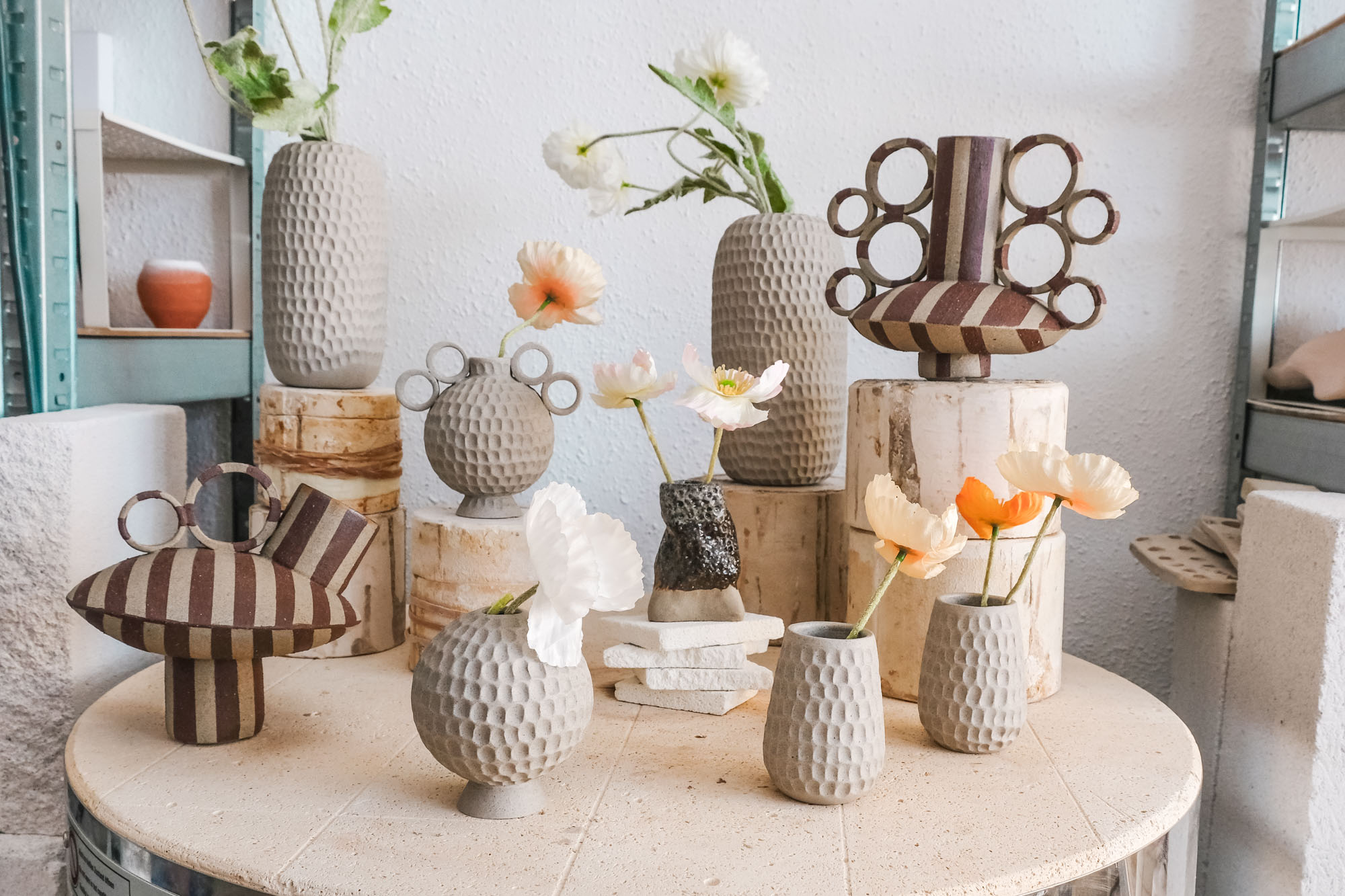
There’s a white bucket in my studio that sat untouched for three years.
Inside it: pale gray clay I dug from a mountain trail near Kufstein in 2022. I brought it home to Vienna with the best intentions: excited, curious, ready to see what it could become.
And then I just… left it there.
It became another to-do, another “I’ll deal with it tomorrow, next week, etc”
If you have ever dealed with Wild Clay, then you know that the processing and testing is quite a tedious and laborous job. So it is easy to see other things as priority.
Until there is a moment where you’re so overwhelmed with other tasks and as a “procastination tactic” you do something that has no priority in your to-do list, but has been sitting there for ever.
Just like you do when you clean the whole apartment when you should be meeting deadline on that essay.
The Wild Clay from Kufstein, Austria was that to me.
So the clay waited. And I waited. For three years.
Until last December, when I finally opened the bucket and asked myself: What is this clay trying to become?
This is the story of those three years. And the vases that came from them.
The Hike
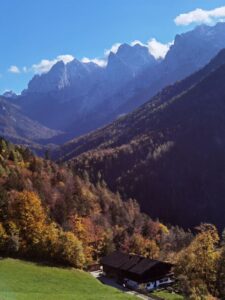
It started the way most of my wild clay stories start: with a hike I didn’t plan to turn into a clay hunt.
In 2022, a friend and I were exploring trails near Kufstein. It was one of those perfect Austrian mountain days: cool air, the kind of light that makes everything look softer. We weren’t looking for clay. We were just walking.
But then I saw it: a seam of dark black,brown, gray sediment by the trail. And when you work with clay, you develop this instinct. You start to recognize texture, the way earth holds together when it’s wet, the way it feels different from regular dirt.
I stopped. Crouched down. Ran my fingers through it.
“Is that clay?” my friend asked.
“I think so,” I said. “I have no idea if it’ll work. But I’m taking some.”
I scooped handfuls into a plastic bag, tied it shut, and tucked it into my backpack. We kept walking. I didn’t think much of it beyond: This could be interesting.
When I got home, I transferred the clay into a white bucket, labeled it “Kufstein 2022,” and put it on a shelf in my studio.
And there it stayed.
The Processing
Processing wild clay is an act of patience.
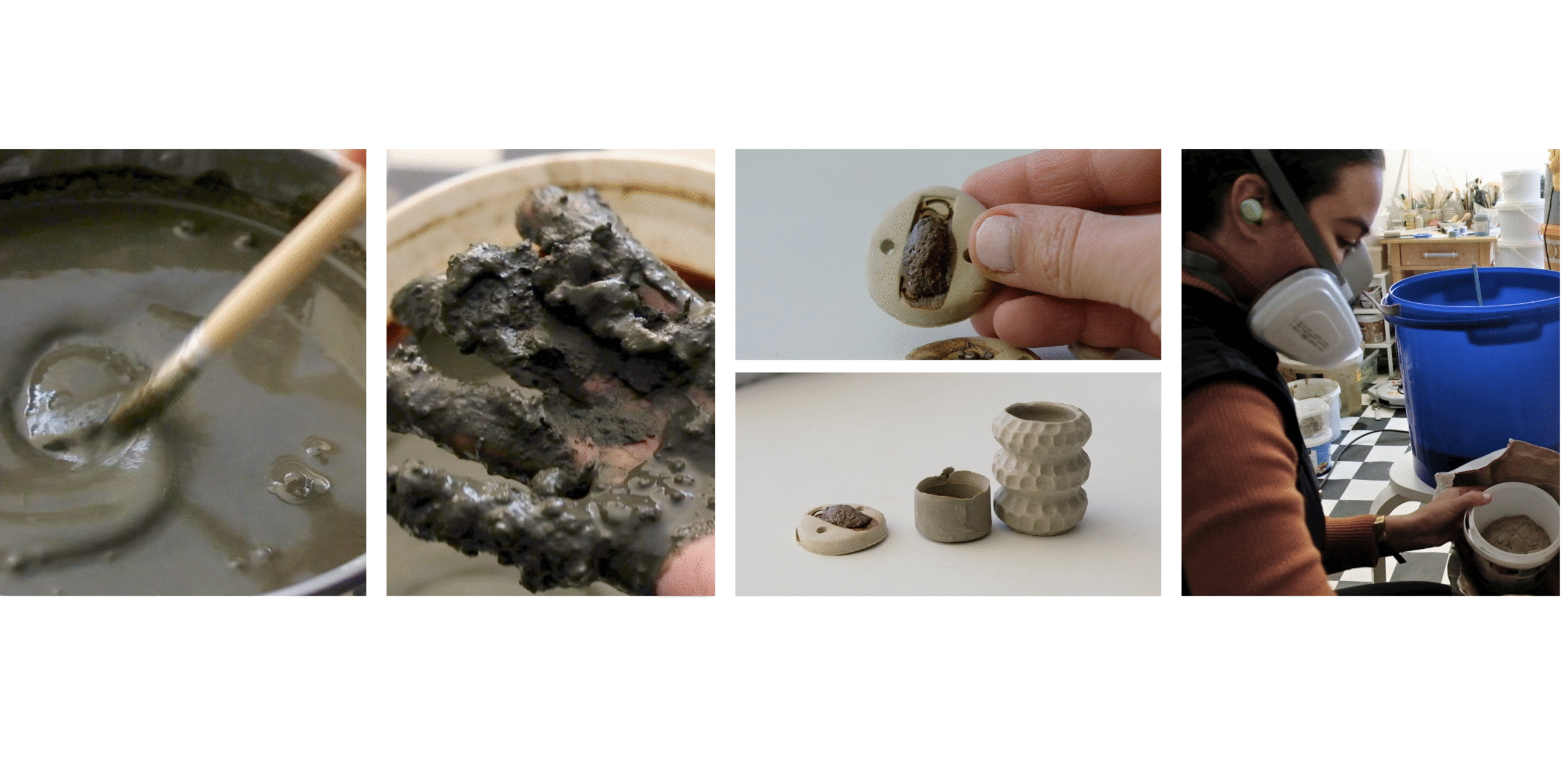
First, you break up all the dried clay. After three years, it was bone dry and hard as a rock. Then you add water and let it dissolve back into liquid slip. This takes days. The water needs time to work its way into every particle.
Once the clay has slaked down, you sieve it. And sieving is where the real work begins.
You pour the liquid clay through a fine mesh screen, pushing it through with your hands, over and over, to remove rocks, roots, sand. Anything that would cause problems later. It’s slow. Repetitive. Your arms get sore.
And this Kufstein clay? It had a lot of sand.
Six hours. That’s how long I spent sieving. Every time I thought I was done, I’d feel grit in the slip and have to sieve it again. And again.
But eventually, I got it to a point where it felt smooth. Clean. Workable.
After firing the clay for its first test i realized it needed some tweaking to be able to actually work with it.
After doing some tests I realized that mixing it with porcelain was the best approach. It led to a change of color, from a dark brown to a light gray. But there are some minerals that are still in the clay and those, against the light look like glitter. Which was the decider for em to stop tweaking and start working.
The Discovery
After the small tests and mixing it with porcelain to make it workable and realizing that the clay hold small pockets of glitter. I decided to start doing some work and some of my pieces.
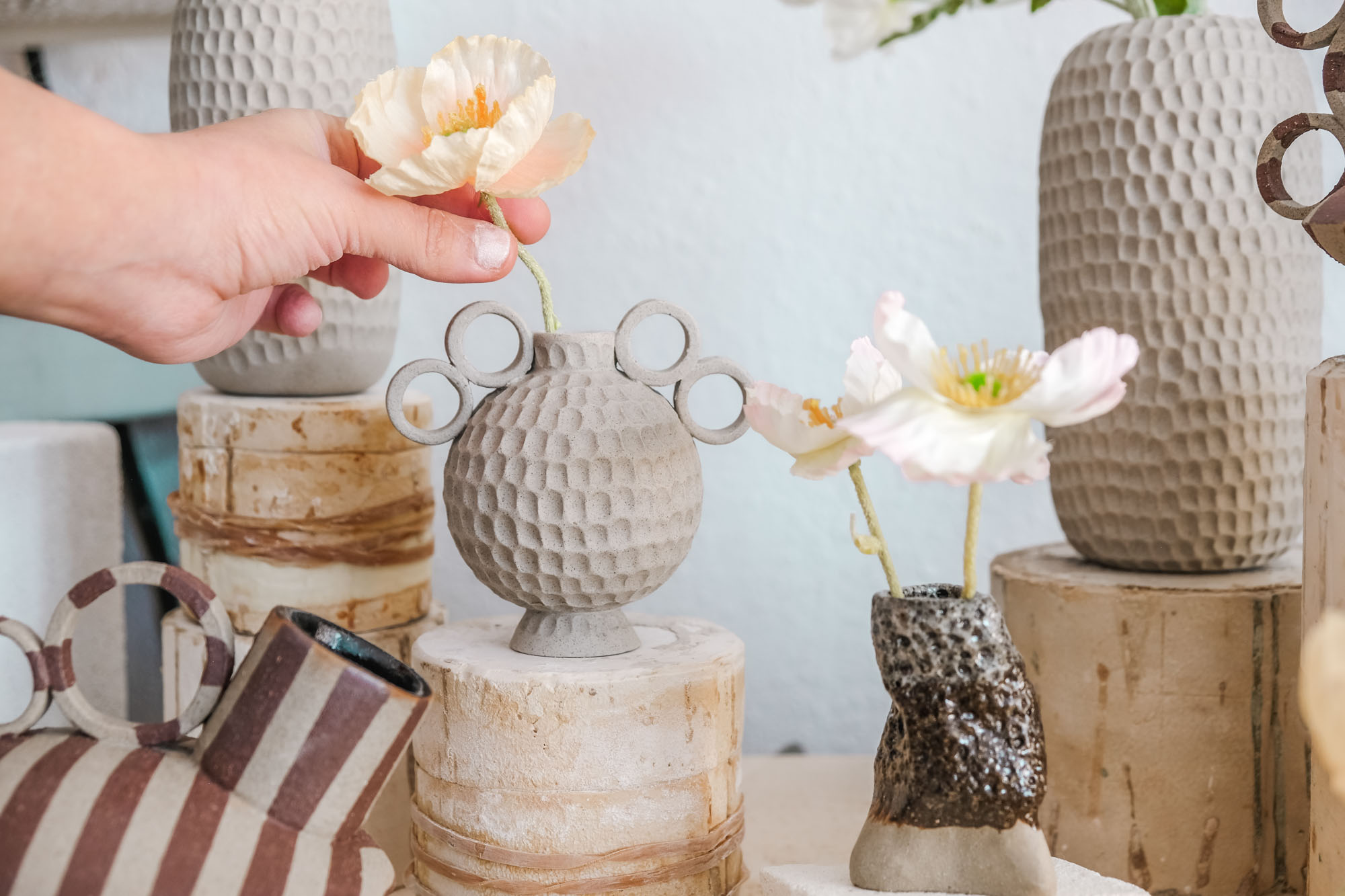
The most important part here is that I wanted to highlight these sparkles.
You DO have to squint and hold the piece against the light to be able to see it. So I knew I needed to leave it bare, naked, and unglazed on the outside. However, the light gray color and the simplicity of my shapes didn’t really do it justice. It looked bland and boring to be honest.
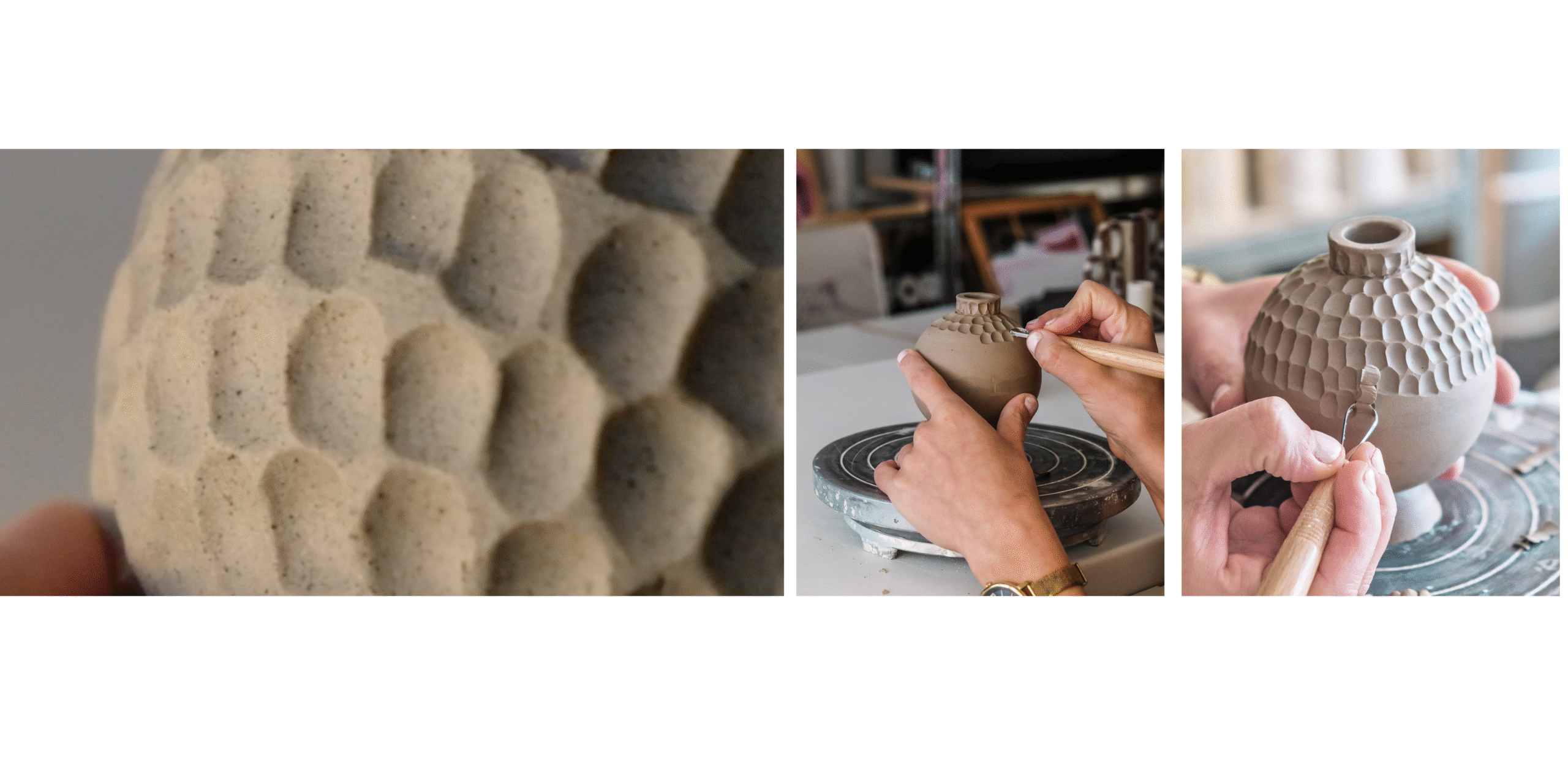
So I thought, a good way to show the “glitter” is by having multiple carvings in the piece, adding texture to the surface that justifies the outside being naked and un-glazed. The carvings also served as a way for the light to hit the objects in different “angles” at the same time. Making it easier for you to see the glitter when you hold the piece to a light source.
So I started carving and I believe I added depth to the shapes of the pieces aswell!
Now I want to carve everything I thouch haha
What These Pieces Mean to Me
These vases are more than just functional objects. They’re a reminder that some things take time. That waiting isn’t always procrastination, sometimes it’s preparation.
But the clay was patient. It waited for me to be ready. And when I finally was, it showed me something I never would have discovered if I’d rushed.
Each piece is hand-carved. Unglazed on the outside so you can feel the texture, see the earth from Kufstein transformed by fire. Some have stripes from Vorarlberg: a second mountain, a second story.
They’ve been waiting to exist for three years.
Now they’re ready.
Available March 1st
If you’d like to bring one of these pieces into your home, they’ll be available in my shop on March 1st at 18:00 CET.
Each vase is one-of-a-kind. No two are exactly alike. You can see them here
And if you’d like to follow along with more stories like this, about the materials I work with, the places I find clay, the process behind each piece. You can join my newsletter here. I send max one email a month, announcing my new shop update and some small behind-the-scenes updates.
Thank you for reading. And for being here.
—Yvonne